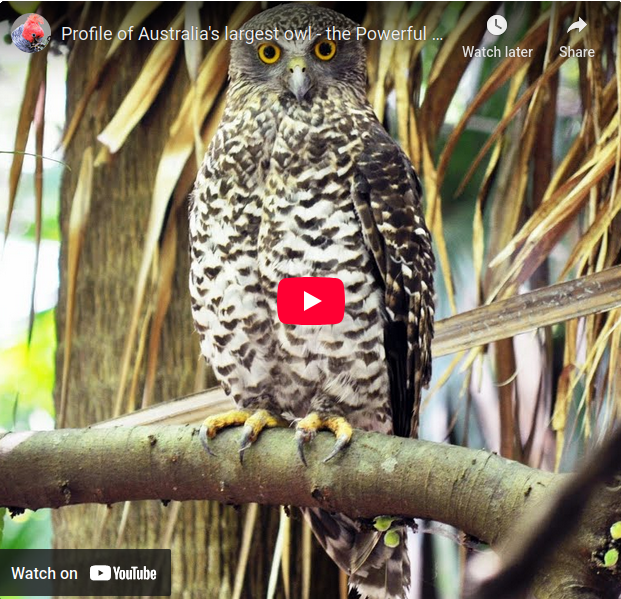
Image: Copyright Dr Nick Hamilton, All rights reserved
The Powerful Owl Project, run by BirdLife Australia, works with citizen scientists across South-East Queensland and Greater Sydney to map, monitor and protect Australia’s largest owl in urban and peri-urban areas. We use acoustic recorders to capture owl calls at night, helping us identify new territories and pinpoint nest trees and important roost sites for follow-up checks. Computer analysis automatically detects owl calls and produces long-duration false-colour spectrograms, making it easy for us, and for you, to spot owl activity and other species at a glance. By contributing recordings and observations, volunteers help us build a clearer picture of where Powerful Owls live, the habitat they rely on, and how we can better reduce threats.
BirdLife Australia is partnering with the team at Open Ecoacoustics, who have many years of experience working with passive acoustic data, to help process the vast amount of sound we collect and to automate species detections. If you choose to verify calls, you’ll be asked to log in to the Ecosounds platform so your verifications can be recorded and tracked by BirdLife researchers as part of this ongoing project.
Uncovering Hidden Soundscapes
By confirming Powerful Owl calls, and identifying other birds and marsupials, you’re helping us uncover the hidden soundscape of Australia’s urban and bushland environments. This project is about more than just listening; it’s about discovering where wildlife lives, breeds, and thrives. Each confirmed call helps us locate owl territories we didn’t previously know about. These acoustic clues guide our volunteers and staff to investigate potential nest trees and monitor breeding success. Even in areas where we already know owls are present, acoustic recordings help us fine-tune our understanding by revealing the likely location of nest trees or important roost sites that might otherwise go unnoticed. Your contributions also support the development of computer models that automatically detect owl calls, making future monitoring faster and more efficient. And by testing how well acoustic recorders work across large areas, we’re exploring new ways to monitor threatened species at scale. Ultimately, the data you help verify informs conservation decisions, supports habitat protection, and strengthens our efforts to ensure Powerful Owls, and the species they live alongside, have a secure future.What you'll hear
Within these recordings, we can detect:- Male Powerful Owls — deep, resonant “whoo-hoo” calls.
- Females — slightly higher-pitched versions of the male call.
- Chicks — soft, insect-like trills, often described as high-pitched, raspy, and repetitive.
- Other species — the model also flags a host of interesting birds and marsupials.
Powerful Owl (Male)
Powerful Owl (Female)
Powerful Owl (Chick)
Boobook Call
Meet the Team
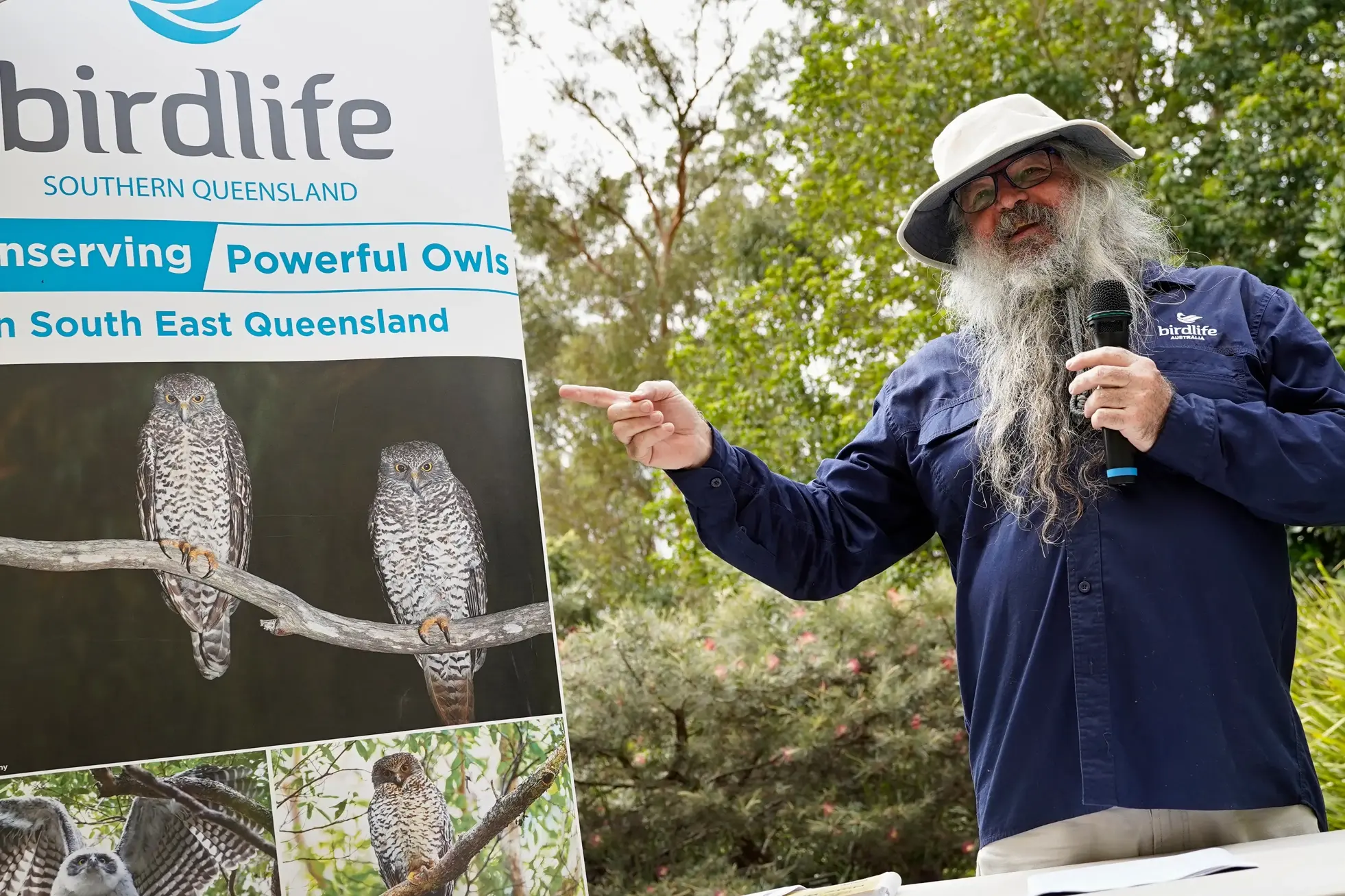
Mr Andrew Dinwoodie
Andrew is Birdlife Australia’s Powerful Owl Project Coordinator in South East Queensland.
Andrew is an ecologist with extensive experience in Natural Resource Management and threatened species recovery developed through many years working with the Queensland Parks and Wildlife Service Ecological Assessment Unit and the QPWS Threatened Species unit. His work with the Threatened Species Unit included key roles with the Northern Hairy-nosed Wombat and Bridled Nailtail Wallaby recovery projects.
Throughout his career Andrew has developed extensive expertise in species population management, integrated feral species management, natural resource and landscape management, fire ecology, and restoration ecology.
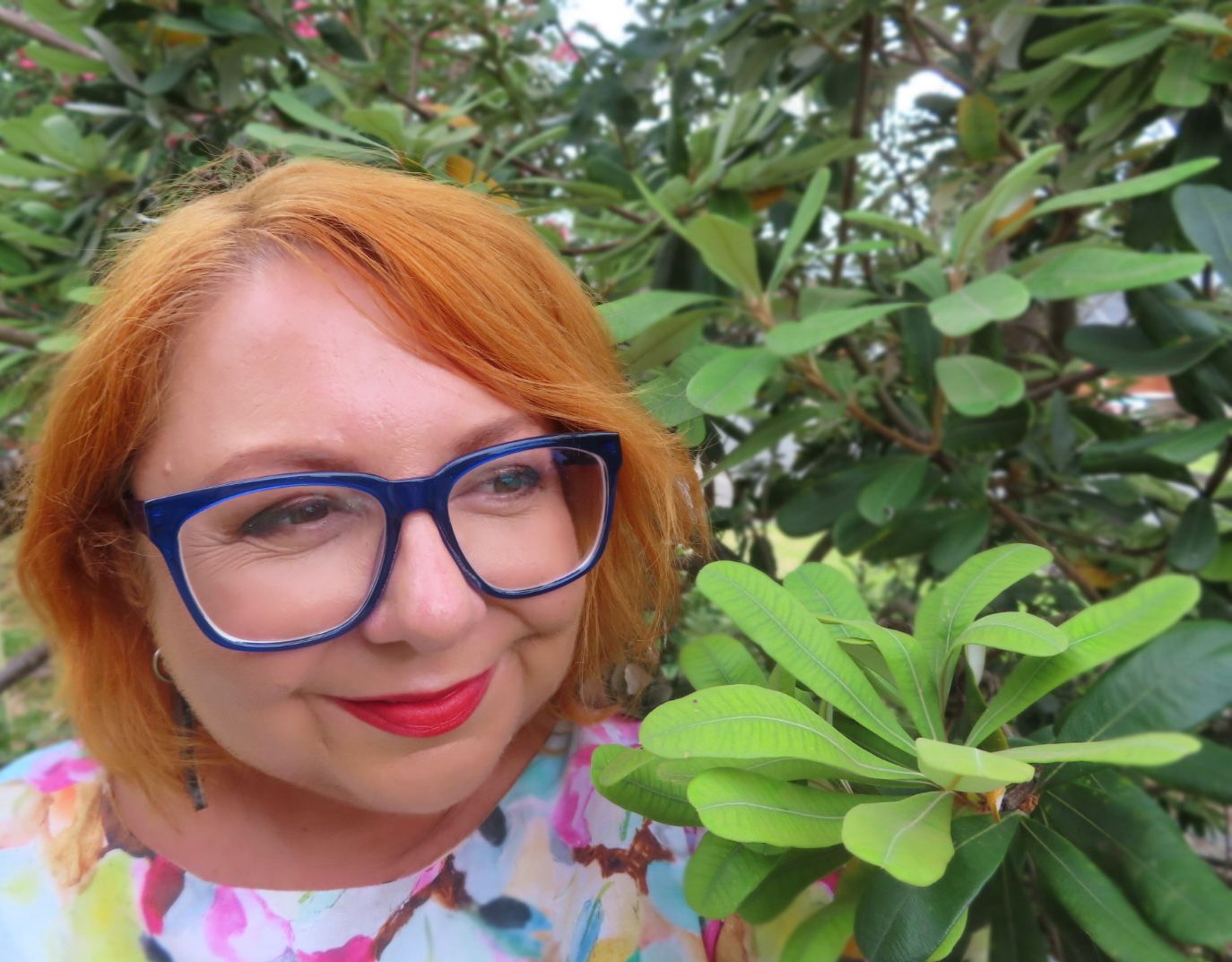
Dr Holly Parsons
Manager of Priority Sites, BirdLife Australia
Holly is the Manager of Priority Sites at BirdLife Australia, where she oversees the Powerful Owl Project along with other key conservation initiatives. With a background in urban ecology and a strong focus on community engagement, Holly works closely with volunteers, researchers, and citizen scientists to protect critical habitats and a host of bird species, both threatened and common. Her leadership helps turn interest into actionable conservation outcomes across Australia’s urban and bushland landscapes.
Why it matters
By helping identify bird calls, you're contributing to a growing library of acoustic data that:
- Tracks how species respond to climate change
- Monitors ecosystem health after disasters
- Guides restoration efforts to ensure habitats don't just look right — they sound right, too



Open Ecoacoustics is supported through a co-investment partnership with the Australian Research Data Commons (ARDC) (DOI: 10.3565/ts8c-ee10) through the Planet Research Data Commons. The ARDC is enabled by the Australian Government’s National Collaborative Research Infrastructure Strategy (NCRIS).